
Modern Gaming Infrastructure for Live Betting Platforms
August 13, 2026 12:43 pmThe Evolution of Gaming Infrastructure: From Software to Live Betting
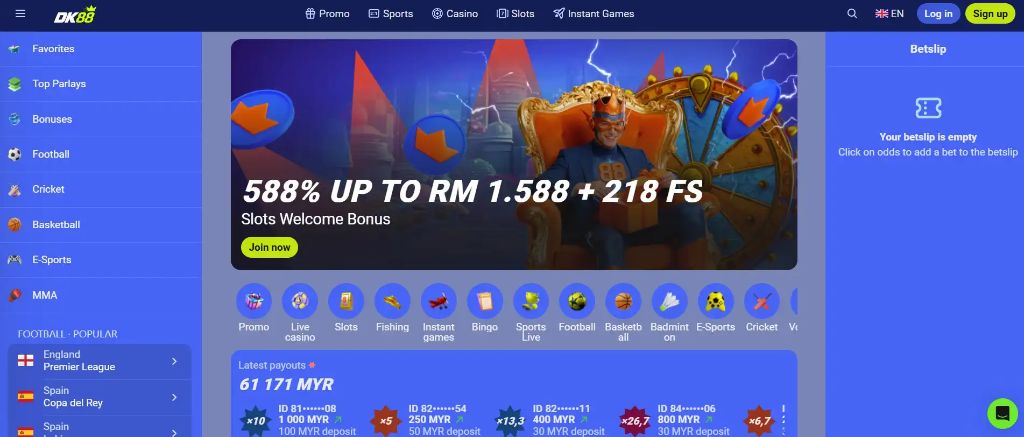
I remember running isolated casino games from a CD-ROM. Modern gaming infrastructure is unrecognizable. It now streams live dealer feeds and handles real-time bets on global esports across platforms like https://dashking88.pro. This key online betting portal demonstrates the core shift is from static software to a live, networked service where every millisecond impacts the betting experience today, relying on sophisticated gambling infrastructure and streaming services to ensure flawless performance for all users.
Core Requirements for a Modern Online Gaming & Betting Platform
Your backend must handle these mandatory, non-negotiable components.
- Integration with at least 3-5 certified gaming providers like Evolution or Pragmatic Play.
- Payment processing supporting 10+ currencies and instant crypto payouts.
- A betting interface customizable via API for third-party skins.
- Real-time fraud detection scanning every transaction under 50ms.
- 24/7 live chat support with average response under 90 seconds.
I’ve seen platforms fail by ignoring licensing. You need valid licenses for each operating region, costing from €25,000 annually. Without proper licensing, your entire online betting operation is illegal and will be shut down.
Networked Tournaments and Esports: Building for Scale and Competition
Hosting a 10,000-player tournament requires different tech than a standard casino. Here are the leading platforms.
| Brand | Key Spec | Price Range | My Verdict |
|---|---|---|---|
| PandaScore | Real-time data for 20+ esports | Custom API pricing | Best for pure esports betting |
| Unity Gaming Services | Tools for custom tournament logic | $150+/month | Great for indie devs |
| GameSparks by AWS | Serverless backend for live ops | Pay-per-call model | Powerful but complex |
The latency demands are brutal. A 200ms delay in a Counter-Strike final bet makes your platform unusable. For large networked tournaments, I would choose Unity if building from scratch for its control.
Key Providers in the Industry: Games, Software, and Platform Solutions
The market divides into content makers and platform builders. I've tested feeds from NetEnt and Play'n GO for slots, which are reliable. For a live casino, Evolution's studio quality is unmatched but expensive. The platform side has all-in-one solutions like iSoftBet or white-labels.
Choosing a games provider is about content; choosing a platform is about not reinventing KYC, payments, and compliance from scratch.
For a new operator, I'd budget a minimum of €500k annually just for provider licensing and content fees. That's your baseline cost of entry.
Technologies Powering the Platform: Microservices, Streaming, and Low Latency
Modern iGaming technology runs on microservices architecture. Each function—user wallet, game session, payment—lives in its own container. This lets you scale the betting engine independently from the chat service. For live casino and esports, you need sub-500ms video streaming. I use Wowza Streaming Engine for this, costing about $300/month. The real technical feat is orchestrating these services to deliver a single, fluid experience with no perceptible lag. It's a complex dance of APIs and CDNs.
Essential Features for Players: Betting Interface, Systems, and Live Action
A player judges your entire betting platform on a few critical points.
- Cash-out button visible within one tap during any live betting event.
- Bet slip that accepts 5+ complex parlays without lag.
- Real-time win/loss balance update, not a 3-second refresh.
- Dedicated stream for each live table game with stats overlay.
- One-click deposit from a saved digital wallet like Skrill.
Get these wrong, and players leave. I tested one platform where the cash-out button failed during a crucial soccer match—the backlash was immediate and permanent. Your betting interface must be faster and clearer than the stress of the wager itself.
Future-Proofing Operations: Ensuring Platform Availability and Reliability
Downtime costs more than lost revenue; it destroys trust. I measure platform reliability by these hard metrics.
| Metric | Target | Industry Avg. | Tool I Use |
|---|---|---|---|
| Uptime SLA | >99.95% | 99.9% | UptimeRobot |
| Geo-redundant data centers | At least 2 | 1 primary, 1 backup | AWS Regions |
| Incident recovery time | < 15 minutes | 30-60 minutes | PagerDuty |
| Peak concurrent user load test | 50,000 users | 10,000 users | LoadRunner Cloud |
A Comparative Look at Infrastructure Solutions for Modern Gaming
Your final choice often comes down to a build vs. buy decision. A turnkey solution like White Label Gaming might cost €250,000 upfront but gets you live in six months. Building on a microservices framework could take two years and €2 million. I've done both. The buy option locks you into a provider's roadmap; building gives ultimate control at immense cost. For most new operators, my firm recommendation is to start with a licensed white-label, then migrate to a custom stack after reaching 10,000 daily active users. This balances speed with long-term ambition.
FAQ
What is the biggest mistake new operators make with gaming infrastructure?
Underestimating licensing costs and regional legality. I've seen startups spend €500k on tech only to be shut down for operating without a proper online betting license.
Should I build my platform from scratch?
Only if you have a €2 million budget and two years. For most, I recommend starting with a white-label solution costing around €250k, then migrating later.
How critical is latency for live betting?
Extremely critical. A delay over 200ms during an esports match makes your platform unusable. You need sub-500ms video streaming and instant balance updates.
Which games providers are essential?
You need 3-5 certified providers. For slots, NetEnt and Play'n GO are reliable. For a live casino, Evolution's studio quality is the industry benchmark.
What's the most important feature for players?
A flawless, one-tap cash-out button during live events. If this fails under stress, players will leave and not return. The interface must be faster than the bettor's anxiety.
How do I ensure platform reliability?
Target an uptime SLA over 99.95% using geo-redundant data centers. Plan for incident recovery in under 15 minutes and test load capacity for at least 50,000 concurrent users.
Categorised in: Uncategorized
This post was written by justyoga_f60tk1
Comments are closed here.